
Climate Change and Its Impact on Our Planet: Causes, Consequences, and Real Solutions
Introduction
When I look at what is happening around the world today, I cannot ignore the reality of climate change. It is no longer just something scientists discuss in conferences or something we read about in reports. It is visible in extreme heat, unpredictable rainfall, floods, droughts, and rising food prices. In my opinion, climate change is not a distant future problem — it is a present crisis that is already affecting our daily lives. I believe many people still underestimate how serious it is, or they assume someone else will fix it. But the truth is, this issue concerns all of us.
From what I see and understand, human activity is at the center of this problem. Our dependence on fossil fuels, deforestation, industrial expansion, and overconsumption is pushing the planet beyond its limits. If we continue with the same habits without serious change, the damage may become irreversible. However, I also believe that with responsibility, innovation, and collective effort, we can slow down the damage and build a more sustainable future.
1. The Real Causes of Climate Change
Climate change is primarily driven by the increase in greenhouse gases in the atmosphere. Gases such as carbon dioxide (CO₂), methane (CH₄), and nitrous oxide (N₂O) trap heat from the sun. This process, known as the greenhouse effect, is natural and necessary for life. Without it, Earth would be too cold. The problem begins when human activities increase these gases beyond natural levels.
Burning fossil fuels is the biggest contributor. Coal, oil, and natural gas power our cars, factories, and electricity systems. Every time fuel is burned, carbon dioxide is released into the atmosphere. Over time, these emissions accumulate and intensify global warming. Industrial development has improved living standards, but it has also come with environmental costs.
Deforestation makes the situation worse. Trees absorb carbon dioxide and help regulate the climate. When forests are cut down for agriculture, construction, or logging, not only do we lose this natural carbon storage system, but the carbon stored in trees is released back into the atmosphere. Agriculture, especially large-scale livestock farming, produces methane a greenhouse gas far more powerful than carbon dioxide in trapping heat. All these factors combined explain why global temperatures are steadily rising.

2. Environmental Consequences We Can No Longer Ignore
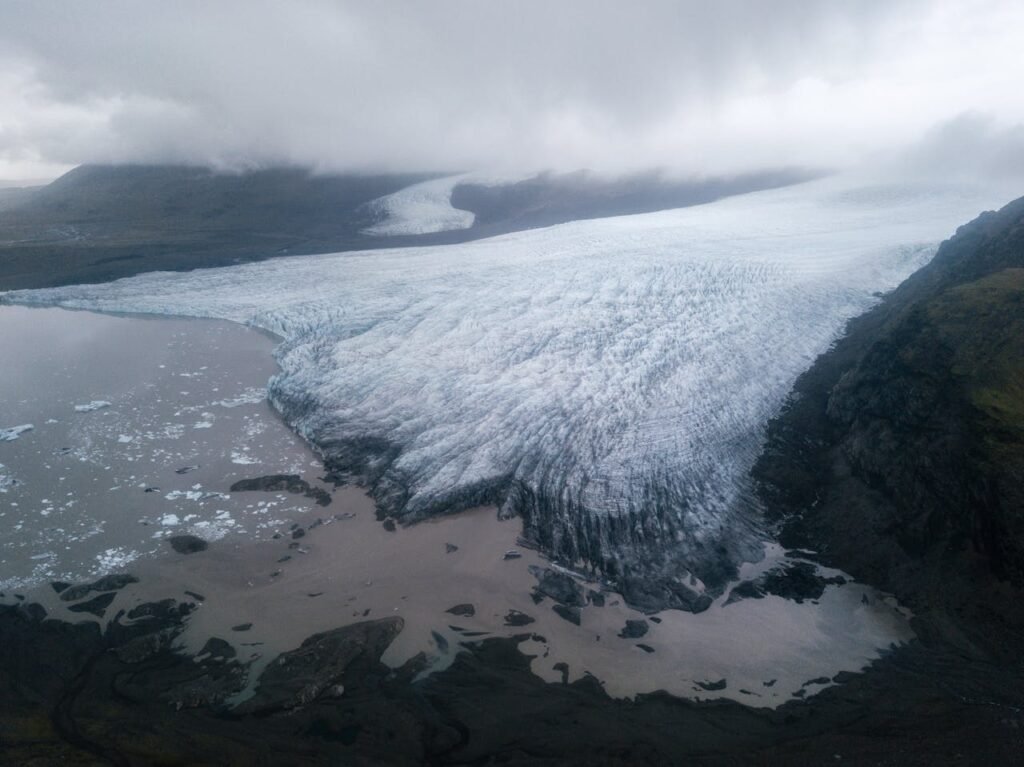
The environmental effects of climate change are becoming increasingly clear. One major consequence is the melting of glaciers and polar ice caps. As global temperatures rise, ice melts faster than it can be replenished. This causes sea levels to rise, threatening coastal cities and island nations with flooding and long-term displacement.
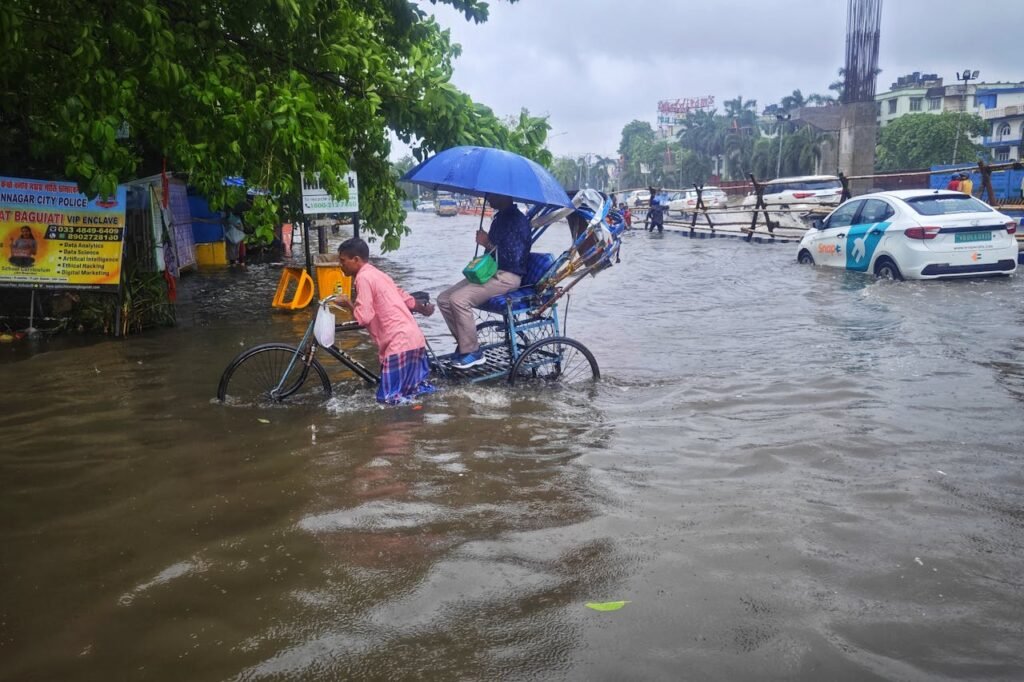
Extreme weather events are also becoming more intense. Heatwaves are lasting longer and reaching record-breaking temperatures. Hurricanes and cyclones are stronger because warmer oceans provide more energy. Some regions suffer severe droughts that destroy crops and create water shortages, while others experience heavy rainfall and destructive floods. These changes disrupt ecosystems and human communities alike.
Biodiversity is under serious threat. Many species cannot adapt quickly enough to shifting climates. Coral reefs are bleaching due to warmer ocean temperatures. Forests face more wildfires and pest infestations. When ecosystems collapse, the impact spreads through the entire food chain, affecting animals and humans alike.
3. Economic and Social Impacts of a Warming World
Climate change is not only an environmental issue; it has serious economic and social consequences. Natural disasters damage infrastructure, homes, and businesses. Governments spend billions rebuilding after floods, storms, and wildfires. Insurance costs are rising, and in some high-risk areas, insurance is becoming unavailable.
Agriculture is one of the most vulnerable sectors. Farmers depend on stable weather patterns. When rainfall becomes unpredictable or temperatures become extreme, crop yields decline. This leads to food shortages and rising food prices. In poorer regions, food insecurity can trigger migration and social unrest.
Public health is also affected. Rising temperatures increase heat-related illnesses. Air pollution from fossil fuels worsens respiratory diseases. Warmer climates allow disease-carrying insects, such as mosquitoes, to spread into new areas, increasing the risk of malaria and other infections. Climate change puts pressure on healthcare systems and vulnerable communities.
4. Renewable Energy as a Practical Solution
Transitioning to renewable energy is one of the most realistic and effective solutions to climate change. Unlike fossil fuels, renewable energy sources produce little to no greenhouse gas emissions. Solar power, wind energy, hydropower, and geothermal energy offer cleaner alternatives.
Solar panels convert sunlight into electricity without releasing carbon dioxide. Wind turbines generate power using natural wind currents. These technologies are becoming more affordable as innovation continues. Many countries are investing in renewable energy infrastructure, not only to reduce emissions but also to create jobs and strengthen energy security.
Energy efficiency is equally important. Improving building insulation, using energy-efficient appliances, and promoting public transportation can significantly reduce emissions. Governments can support change through policies such as carbon pricing, environmental regulations, and incentives for green technology. The transition requires commitment, but it is achievable.
5. Individual Responsibility and Sustainable Living
While governments and corporations have major responsibilities, individuals also play a critical role. Small daily choices, when multiplied by millions of people, create a measurable impact. Reducing electricity use, conserving water, minimizing waste, and choosing sustainable products all contribute to environmental protection.
Using public transportation, walking, or cycling instead of driving reduces carbon emissions. Reducing plastic consumption and increasing recycling help limit pollution. Adopting a balanced diet with less dependence on high-emission foods can also lower one’s carbon footprint.
Education and awareness are essential. When people understand the seriousness of climate change, they are more likely to support environmental policies and make responsible decisions. Real change happens when both policy-level action and individual responsibility work together.
Conclusion: The Future Depends on Our Choices
Climate change is not a theory or a distant possibility; it is a present reality. Its causes are largely linked to human activity, and its consequences are visible across the globe. Environmental damage, economic instability, and public health risks are interconnected results of a warming planet.